
TL;DR
Radiant heat systems are rising in popularity across Kansas City for their even warmth and energy efficiency. The best flooring for radiant heat includes luxury vinyl plank (LVP) and engineered hardwood—both durable, stable, and excellent at conducting warmth. Solid hardwood and thick carpet, on the other hand, can limit heat flow. Proper installation is essential to prevent warping, gapping, or heat loss and to ensure your flooring performs beautifully for years.
The Rise of Radiant Heat in Kansas City Homes
Kansas City winters are no joke. Between icy mornings and fluctuating temperatures, more homeowners are investing in radiant heat flooring systems as a cleaner, quieter, and more efficient alternative to forced air. Unlike traditional systems that blow hot air through ducts, radiant heating warms your home from the ground up—literally.
Warm water or electric coils installed beneath the floor surface distribute heat evenly throughout the room. The result? Consistent comfort, fewer cold spots, and reduced energy waste. According to the U.S. Department of Energy, radiant heat is among the most efficient heating methods available, reducing energy use by up to 30% compared to baseboard or forced-air systems (energy.gov).
But while radiant heat works under nearly any floor type, not all materials handle the temperature changes and moisture the same way. The wrong flooring can trap heat, warp, or crack over time—especially during Kansas City’s dry winter months. Choosing the right flooring for radiant heat ensures your investment lasts for decades.
Understanding How Radiant Heat Affects Flooring
Before diving into materials, it’s important to understand how radiant heat interacts with flooring. The heat moves upward through the subfloor, gradually warming the floor covering. For this process to be efficient, the flooring material needs:
- Good thermal conductivity — how well it transfers heat to the surface.
- Dimensional stability — how resistant it is to expanding, contracting, or warping as it warms and cools.
- Durability — how well it withstands consistent temperature changes over time.
Materials like LVP, tile, and engineered hardwood excel here. Others—like solid wood or thick carpet—can act as insulators, trapping heat and reducing efficiency.
“Radiant heating can completely change how your home feels in winter,” says Brent Mordhorst, flooring specialist. “But the wrong material or improper installation can undo all those benefits. Choosing the right combination makes all the difference.”
1. LVP: A Top Performer for Radiant Heat Systems
Luxury Vinyl Plank (LVP) has quickly become one of the best flooring options for radiant heat thanks to its ability to handle temperature fluctuations and moisture with ease.
Thermal Conductivity
LVP efficiently conducts heat from the subfloor to the surface without absorbing or trapping it. That means faster warm-up times and consistent comfort across the entire space.
Dimensional Stability
Unlike solid hardwood, which expands and contracts with humidity and temperature, LVP maintains its shape. It’s engineered to flex slightly, so it won’t buckle or gap when exposed to the gentle cycles of radiant heating.
Water Resistance
Radiant systems, especially hydronic (water-based) ones, can occasionally introduce moisture beneath the surface. LVP’s waterproof core and sealed wear layer make it a smart choice for basements, kitchens, and bathrooms—areas that benefit most from heated floors.
Comfort and Noise Control
With a built-in underlayment or acoustic pad, LVP provides a quiet, cushioned surface underfoot, creating a comfortable feel even without socks—a major bonus for Kansas City homeowners escaping cold tile floors.
“LVP has come a long way,” says Jay Erwin, installation expert. “Today’s products are not only durable but designed to work seamlessly with in-floor heating. It’s an ideal balance of comfort, cost, and longevity.”
2. Engineered Hardwood: Warmth Meets Luxury
For homeowners who love the natural look of hardwood, engineered hardwood is the go-to choice for radiant heat systems. It delivers the authentic aesthetic of wood with the structural benefits needed to handle warmth from below.
Why Engineered Works
Unlike solid hardwood, which is milled from a single piece of timber, engineered wood consists of multiple layers bonded together under pressure. This cross-ply construction makes it less prone to warping or expanding when exposed to heat and humidity changes.
Efficient Heat Transfer
A thinner profile—typically between 3/8″ and 1/2″—allows engineered wood to transmit heat more effectively than thicker flooring materials. The denser the core, the better it conducts warmth.
Compatible Species
Not all wood species perform equally under heat. Oak, ash, and hickory tend to fare best, while maple and cherry can be more temperamental due to their density and movement tendencies. Choosing an engineered hardwood made from stable species ensures a consistent result.
Surface Finishes
Matte and UV-cured finishes resist microcracking better than glossy coatings. A durable topcoat protects against heat-related drying and minimizes visible wear near vents or windows where temperatures may vary.
“Engineered hardwood gives you that timeless look without the worries that come with solid wood and radiant systems,” adds Brent Mordhorst. “It’s the ideal balance of warmth, character, and long-term stability.”
3. Why Solid Hardwood and Carpet May Limit Heat Flow
Radiant heat thrives when flooring materials conduct warmth efficiently—but some surfaces act more like barriers than conductors.
Solid Hardwood
While solid hardwood has natural beauty, it’s also sensitive to climate changes. As heat cycles on and off, the planks expand and contract. Over time, this can cause gaps, cupping, or crowning.
In Kansas City’s dry winter air, even a well-sealed hardwood floor can lose moisture quickly, leading to shrinkage and cracks between boards. Solid wood also acts as a mild insulator, reducing how much heat reaches the surface.
If you’re set on real hardwood, select narrower planks (2¼” to 3″) and pre-acclimate them for several days before installation. Still, most flooring professionals recommend engineered hardwood over solid for radiant systems.
Carpet
Carpet feels cozy, but it’s one of the least efficient materials for radiant heating. Its insulating properties trap heat, meaning your system must work harder to reach target temperatures. Thick pads and high-pile carpets further reduce efficiency.
If you prefer carpet for bedrooms or living spaces, choose a low-tog rating (0.5 or lower), thin underlay, and short pile. These adjustments help improve heat transfer while maintaining comfort underfoot.
“The thicker the material, the more it resists heat flow,” explains Jay Erwin. “That’s why materials like tile, vinyl, or engineered wood are more compatible—they allow radiant systems to do their job without energy loss.”
4. How Proper Installation Prevents Warping and Gapping
Even the best materials can fail if installed incorrectly. Radiant heat introduces subtle but continuous thermal expansion and contraction cycles, which require careful planning during installation.
Subfloor Preparation
A clean, level subfloor is crucial. For hydronic systems, moisture barriers and underlayments designed for heat conduction should be installed before the flooring goes down. For electric radiant mats, manufacturers often recommend a thin layer of self-leveling compound to embed the coils securely.
Acclimation Time
Both LVP and engineered hardwood need to acclimate to the home’s temperature and humidity before installation. This prevents sudden expansion once the heat turns on. Most experts recommend 48–72 hours for vinyl and up to five days for engineered wood.
Temperature Testing
The radiant system should be tested for at least 24 hours before flooring installation. This step ensures consistent temperature distribution and helps installers identify any hotspots or wiring issues that could cause uneven heating.
Expansion Gaps
Even stable materials need a little room to breathe. Installers typically leave a ¼” perimeter gap around the floor edges to accommodate natural movement without visible gapping or buckling.
Adhesives and Underlayment
For glue-down installations, low-VOC, heat-rated adhesives are essential. Not all adhesives can handle radiant heat exposure. For floating floors, use underlayment that supports both sound reduction and heat transfer—avoiding foam or cork layers that trap warmth.
“Proper installation is what keeps a radiant system efficient,” says Brent Mordhorst. “You can have the best materials in the world, but if they’re not installed correctly, you’ll end up with uneven heating or floor movement.”
5. Additional Flooring Options Worth Considering
While LVP and engineered hardwood are top picks, a few other materials can perform beautifully with radiant heat—depending on your design goals and budget.
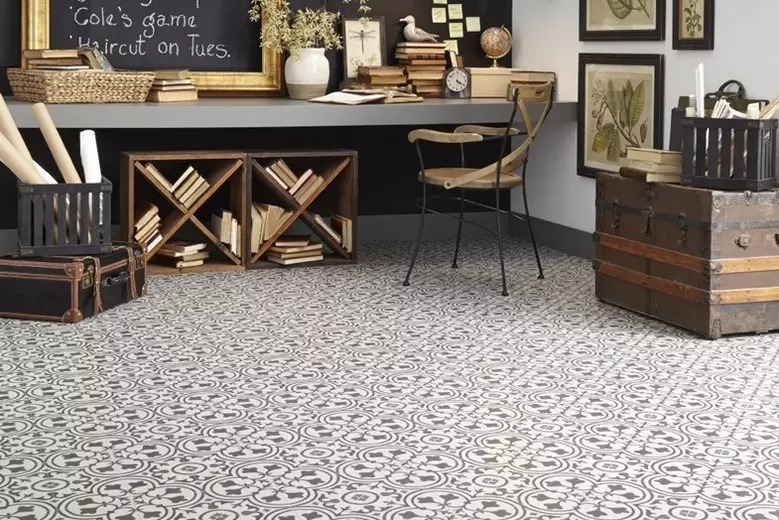
Tile
Porcelain and ceramic tile offer exceptional heat transfer and are impervious to moisture. They’re ideal for kitchens, bathrooms, and entryways, especially when paired with hydronic systems. Just be sure to use flexible grout and thinset to prevent cracking from thermal expansion.
Laminate
Modern laminates can be radiant-heat compatible, but you’ll need to verify the manufacturer’s temperature limits (usually around 80–85°F). Laminate performs best in floating installations, though it lacks the moisture resistance of LVP.
6. Balancing Comfort and Efficiency
The key to getting the most out of your radiant system isn’t just choosing the right material—it’s understanding how flooring affects performance. Every layer between the heat source and the surface either enhances or impedes heat transfer.
To maximize comfort and efficiency:
- Keep total floor thickness (including underlayment) below ¾”.
- Maintain indoor humidity between 35–55% year-round.
- Use thermostats designed for radiant systems to prevent overheating.
- Work with installers familiar with both flooring and radiant design.
The National Renewable Energy Laboratory found that radiant systems paired with high-conductivity flooring can reduce household energy bills by up to 25% in cold climates (nrel.gov).
Ready to upgrade your floors?
Whether you’re just getting started or ready to install, our team is here to help you every step of the way. Schedule your free measure or personalized consultation today.
Contact Us Now- By: Samantha McCoy
- Category: Winter
- 11 responses comment